wocomo
A visual identity and motion system for wocomo, an international YouTube network, built to hold a wide range of subjects under one recognisable brand.
wocomo is an international YouTube network spanning a wide range of subjects, from documentaries to travel to music. A different logo for each channel would have splintered that range into unrelated identities, with nothing to tie them together as one brand.
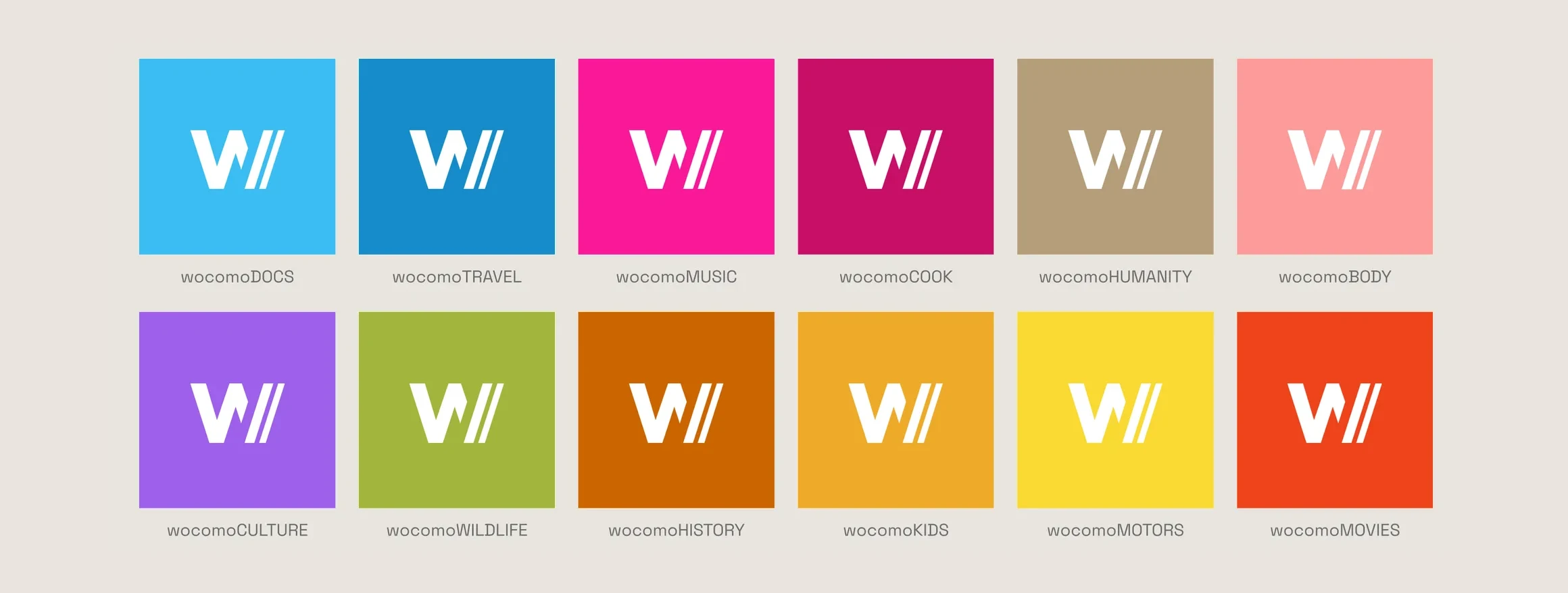
I designed the W// logo and built its colour system around one idea: every channel keeps the same W// mark and takes on its own colour, so the network reads as one recognisable family across a plurality of topics. I also built the motion intro's closing frame in After Effects, reused across the network's video excerpts. Day to day, I ran the content side across several of the network's channels, including wocomoMUSIC, wocomoHUMANITY, WOCOMOdocs, and wocomoTRAVEL: writing titles and descriptions, building each video's thumbnail, deciding publishing schedules, and managing copyright, particularly for music content. I paid close attention to who a video's audience actually was, and adjusted the title, the language, or the timing of its release to reach them.

The animation itself: the same closing frame shown above, in motion. Every video excerpt across the network opens with this intro, built in After Effects.
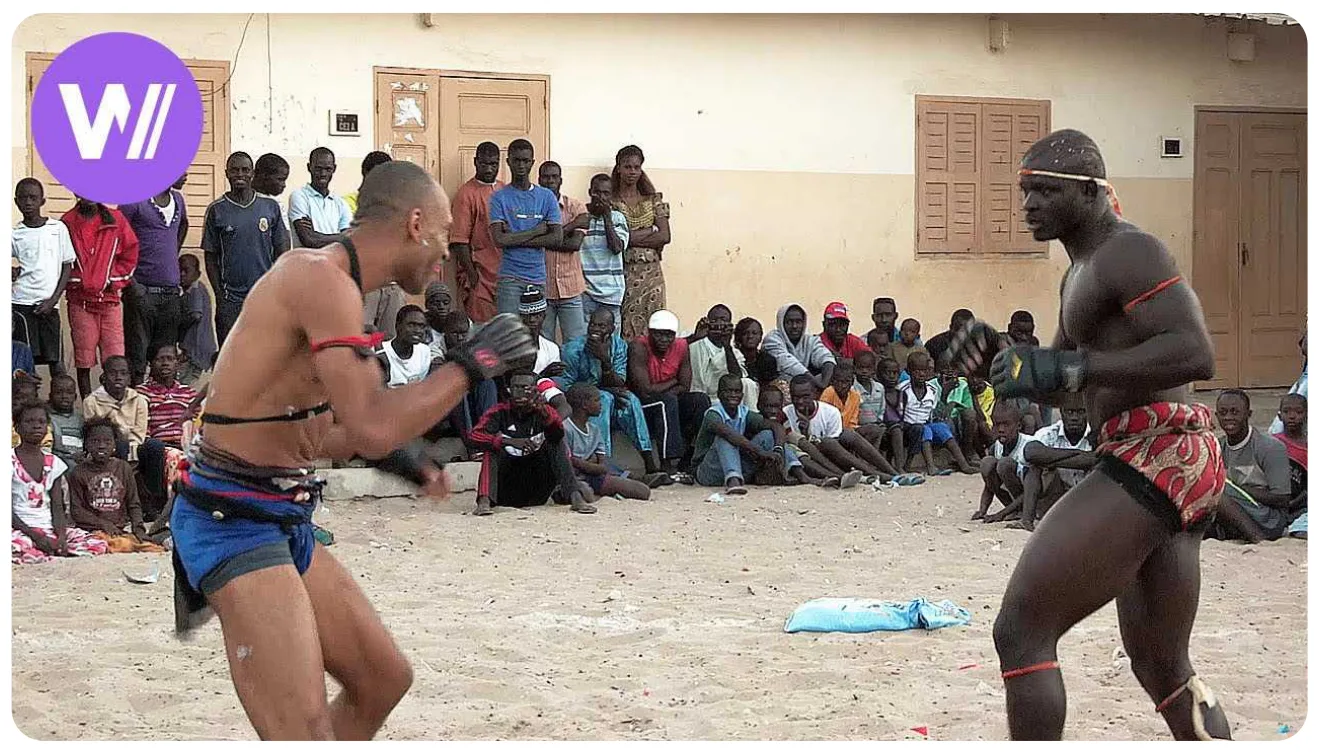
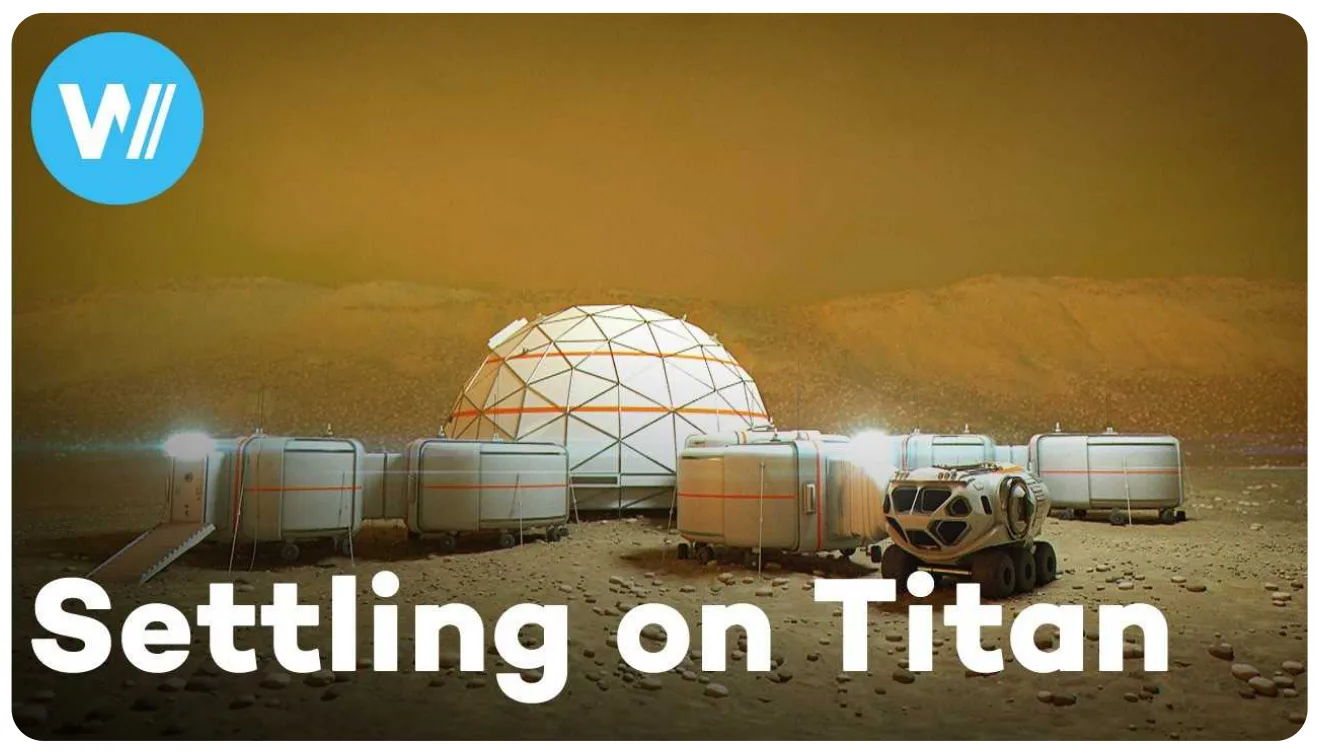
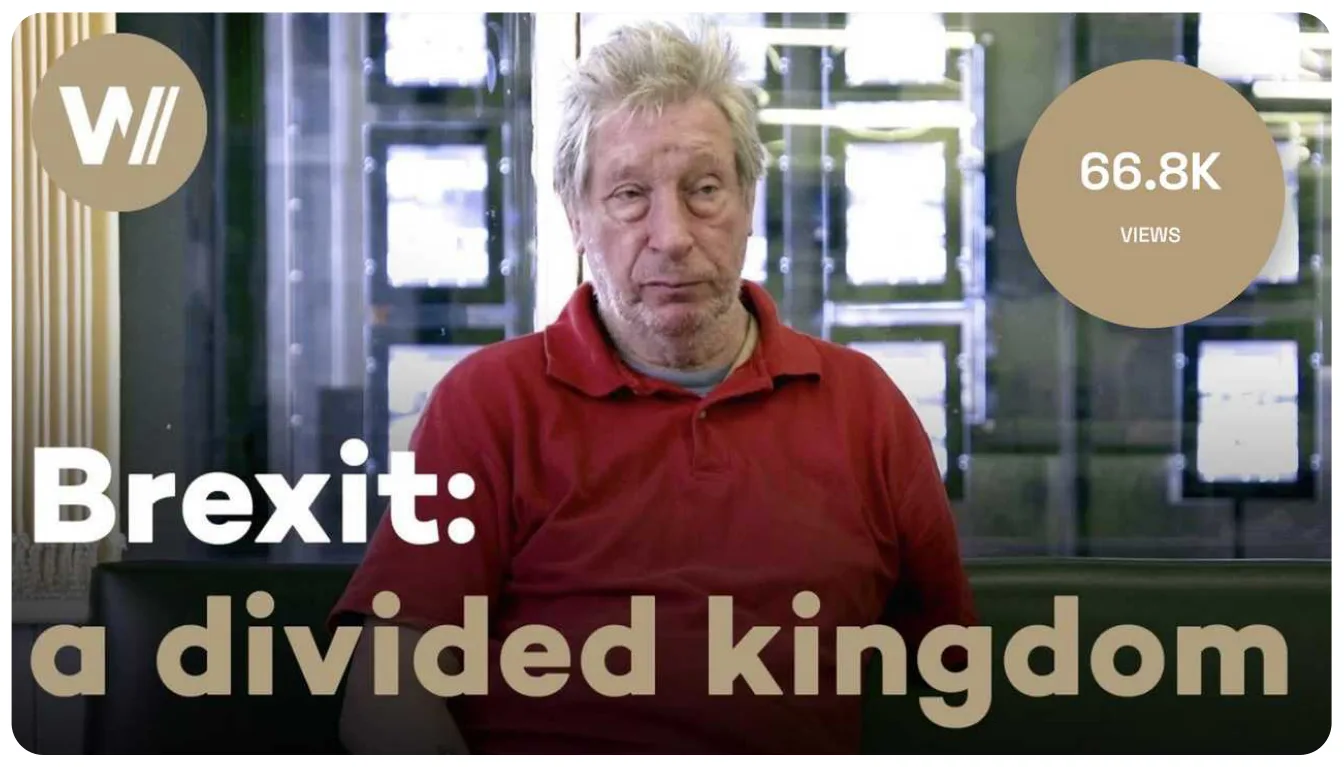
A few examples of that system at work: thumbnails and a channel banner built from the same template, applied consistently across different videos and channels.

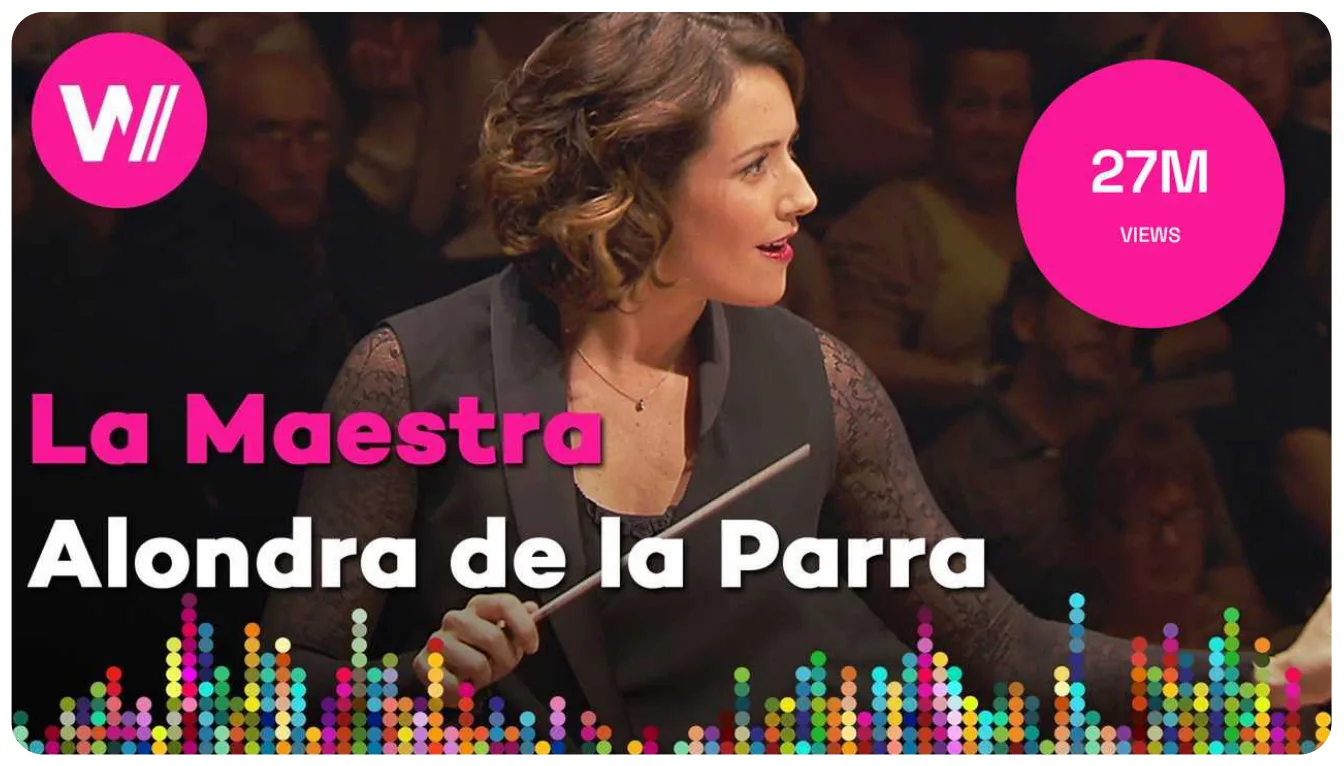
Beyond the brand system, I ran the content side of several channels day to day: writing titles and descriptions, building each thumbnail, deciding publishing schedules, and managing copyright. For a video profiling conductor Alondra de la Parra, I titled it in Spanish as well as English from the start, betting there was a Spanish-speaking audience for it, and timed its promotion around Mexico's Independence Day. That paid off: the video has since reached 27 million views, with Spanish-speaking viewers becoming its largest audience segment. A documentary originally titled 'Q'eswachaka: El último puente inca', a name few people outside Peru would recognise, I retitled as 'Comunidades andinas: Cultura y costumbres del Perú más remoto', something a broader audience could actually search for, and released as separate English and Spanish versions. That version reached 8.4 million views. The same logic applied to an episode of Barber Shop, a documentary series about barbershops around the world: retitling it to lead with its actual story rather than just the series name got it far more traction than the original title.
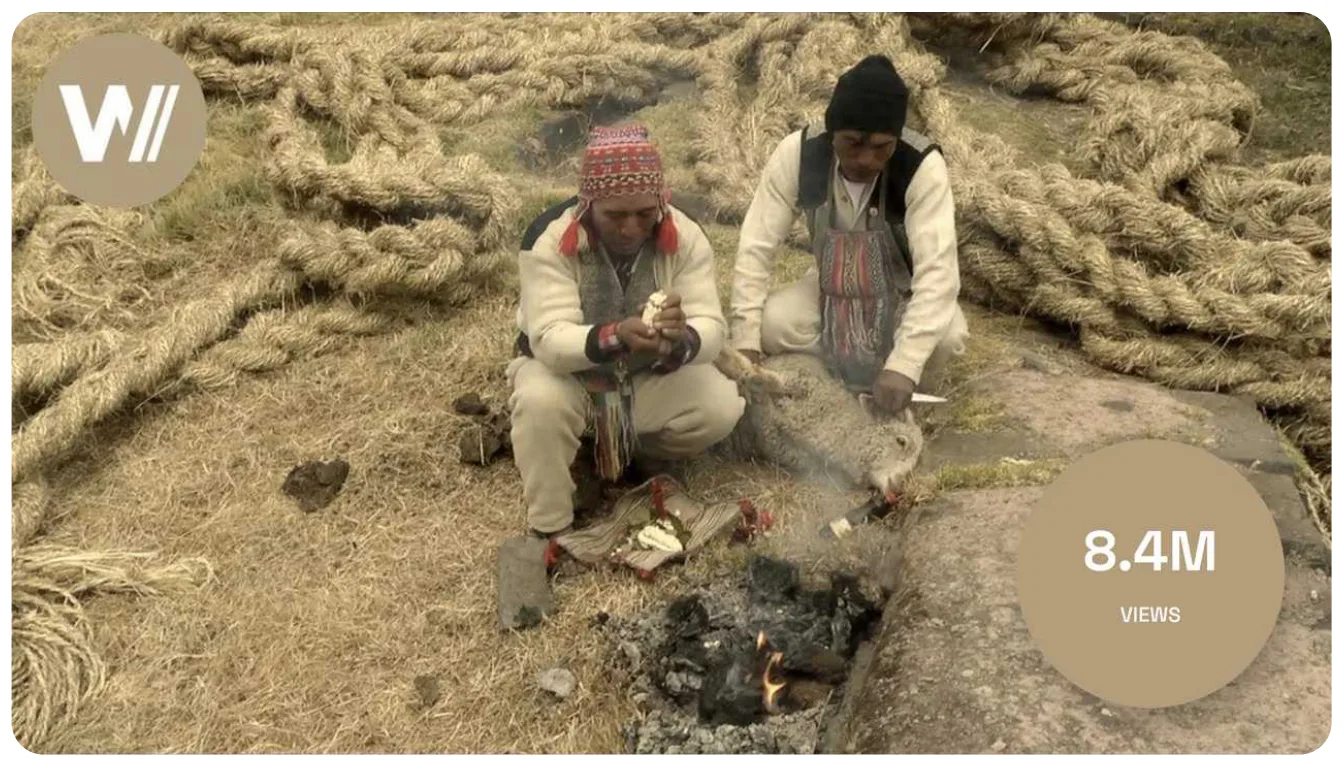
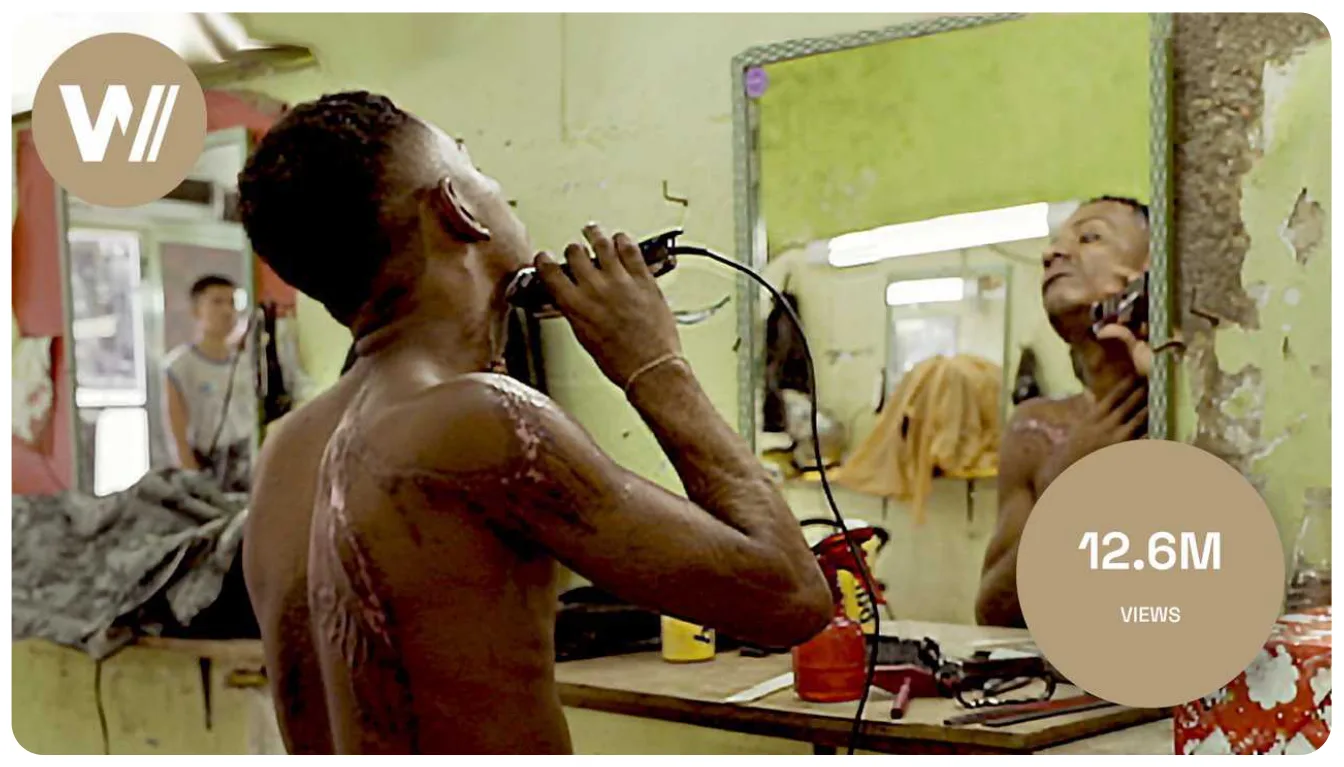
The W// system now identifies the network across a dozen channels and colours, from wocomoMUSIC to wocomoWILDLIFE. Retitling and relaunching videos to match their real audience, not just their series name, took individual videos to 27 million, 12.6 million, and 8.4 million views.